Project Overview
THE CHALLENGE – DEGRADED NATURAL AREAS
RFD2 is a 35-acre parcel of land in the southern part of Burlington, Wisconsin, just west of the Fox River.
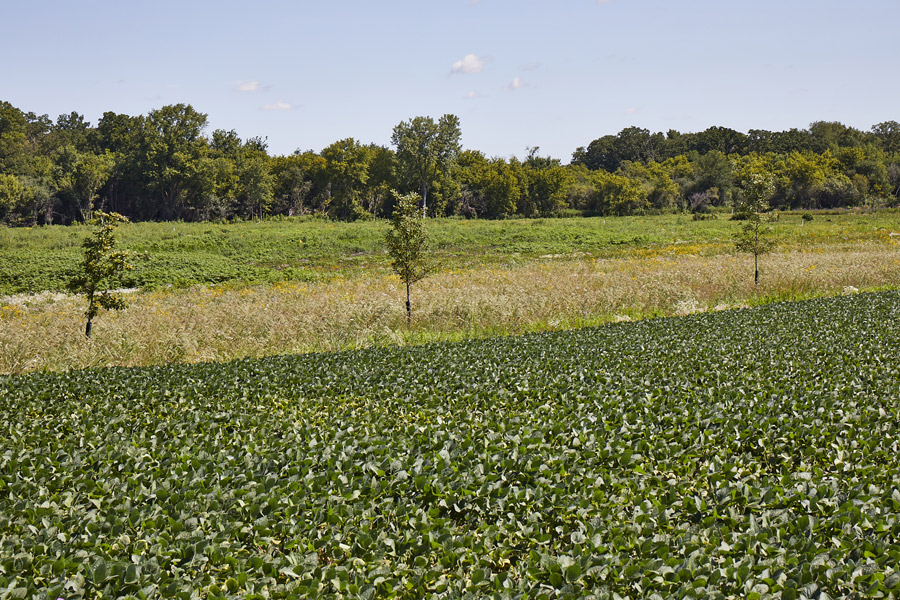
In the 1970s, drain tile and a drainage channel were installed on the plot to facilitate agricultural development of soybeans. The site was nearly devoid of vegetation and any existing plant communities were degraded and exhibited low floristic quality. But a significant portion of the area was identified as former wetland.
In addition, there was high demand for wetland mitigation in Southeastern Wisconsin, as there were no active wetland mitigation bank sites in the Upper Fox River-Illinois Watershed.
THE SOLUTION – MITIGATION BANKING
Due to the area’s status as a former wetland, the city approached The Reesman Company to re-establish wetland hydrology in this mitigation bank, with construction beginning in 2020.
The Reesman Company managed and navigated the six-year regulatory approval process working with consultants, engineers, surveyors, geologists, hydrologists, ecologists and wetland scientists. This was an involved regulatory process that involved working with the Inter-Agency Review Team, which included Wisconsin DNR, US Army Corps of Engineers, US Fish and Wildlife Service, and the US Environmental Protection Agency.
Based on a study that showed a mucky peat soil type on the land, it was determined the historic wetland most likely resembled a sedge meadow or shrub-carr community, a type of environment that has few trees and is covered with mostly native shrubs. As such, the goal of the mitigation bank was to restore, create and enhance the sedge meadow, wet prairie and shrub-carr wetland habitats.
In addition, an existing access road on the site would be converted to a multi-use trail for recreational and educational purposes. This would allow the public to bike and walk through the area to freely view wildlife and enjoy the outdoors. At this site, the Reesman Company managed all aspects of the wetland mitigation process with minimum disturbance to soil and established vegetation.
- Because the existing drain tile system effectively drained the property, removing the tiles restored wetland conditions.
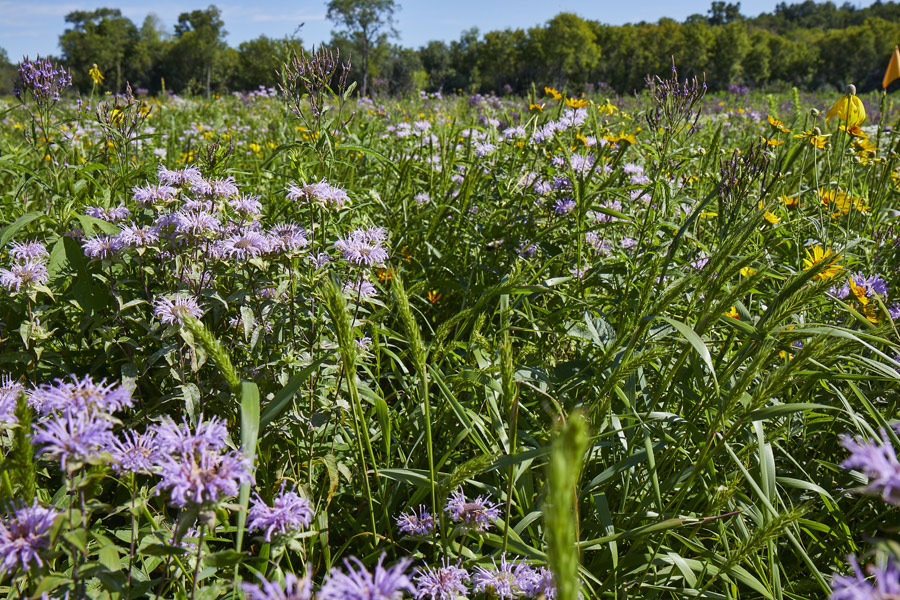
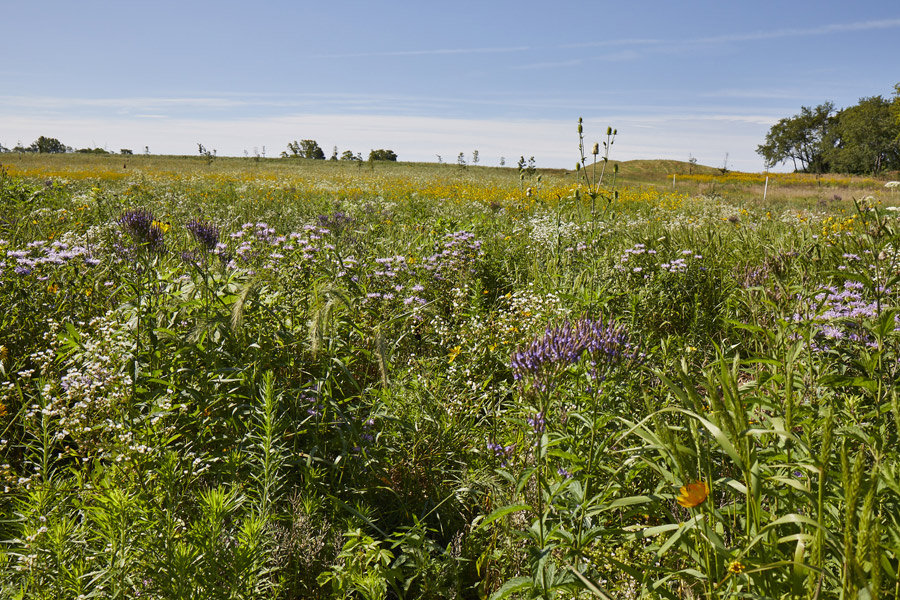
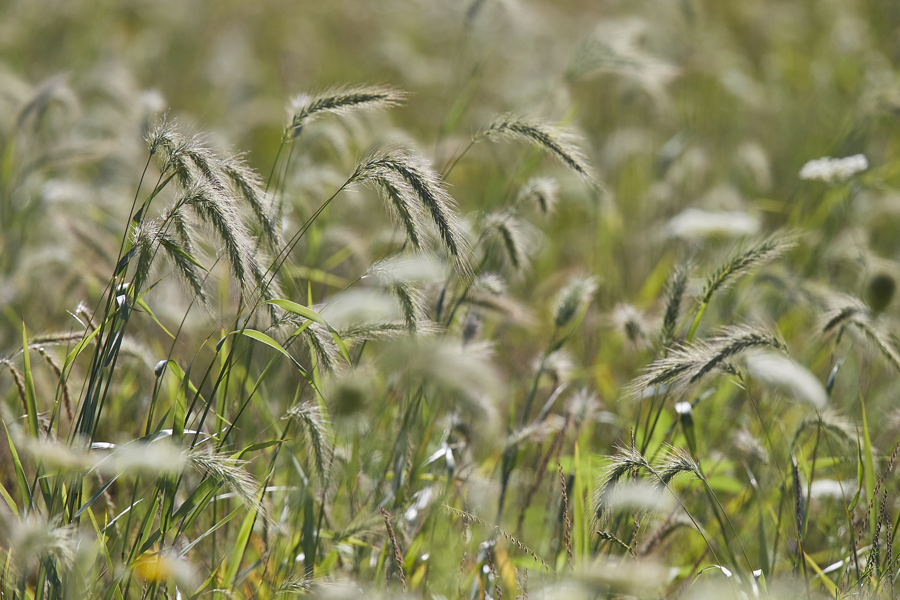
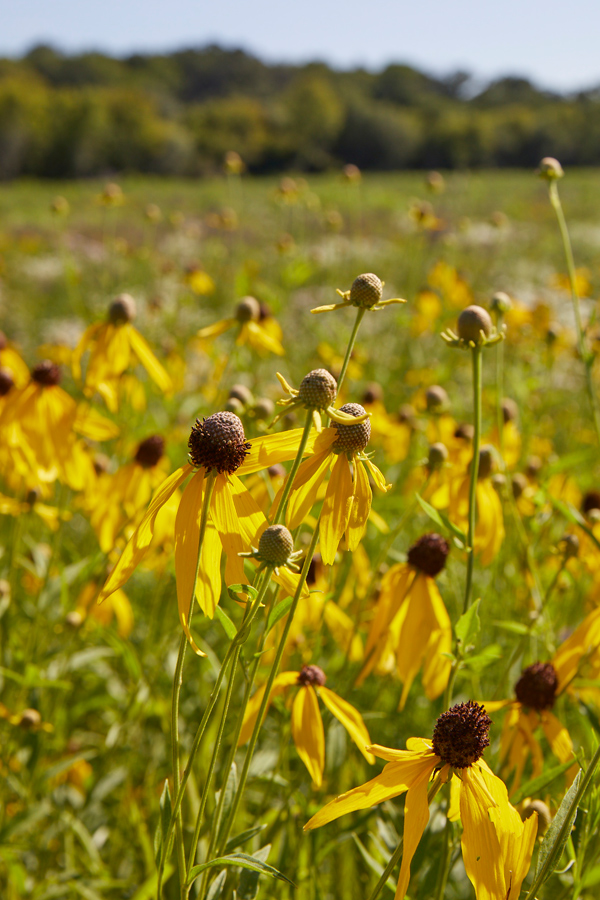
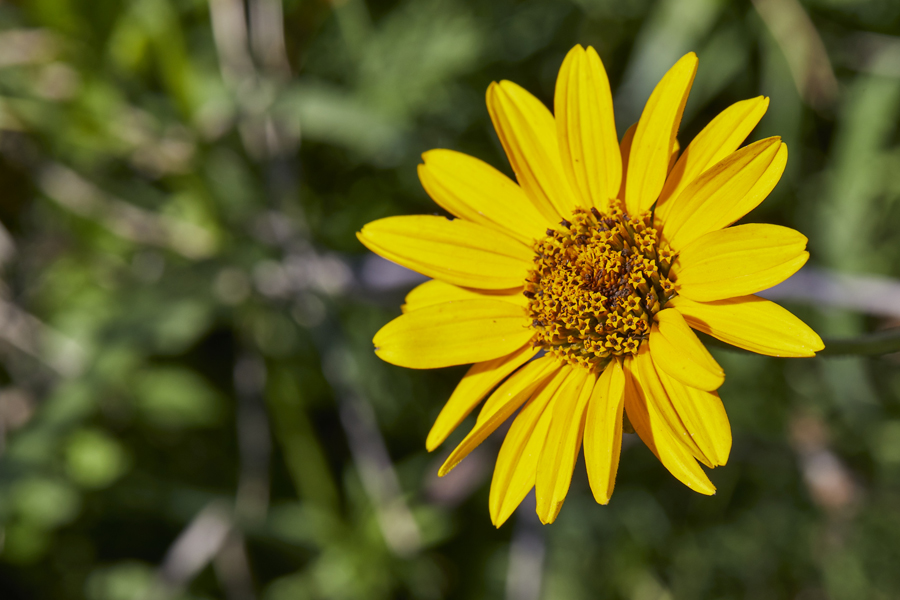
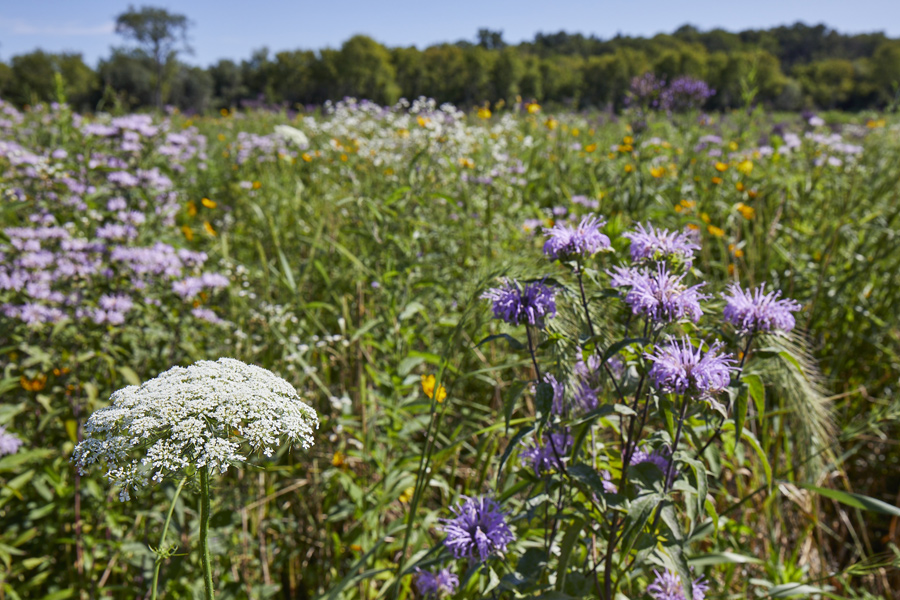
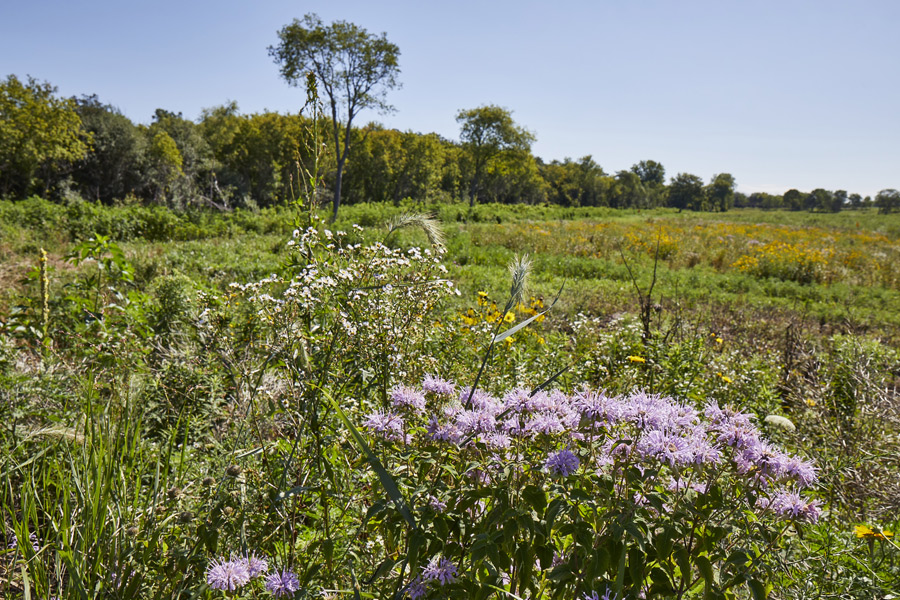
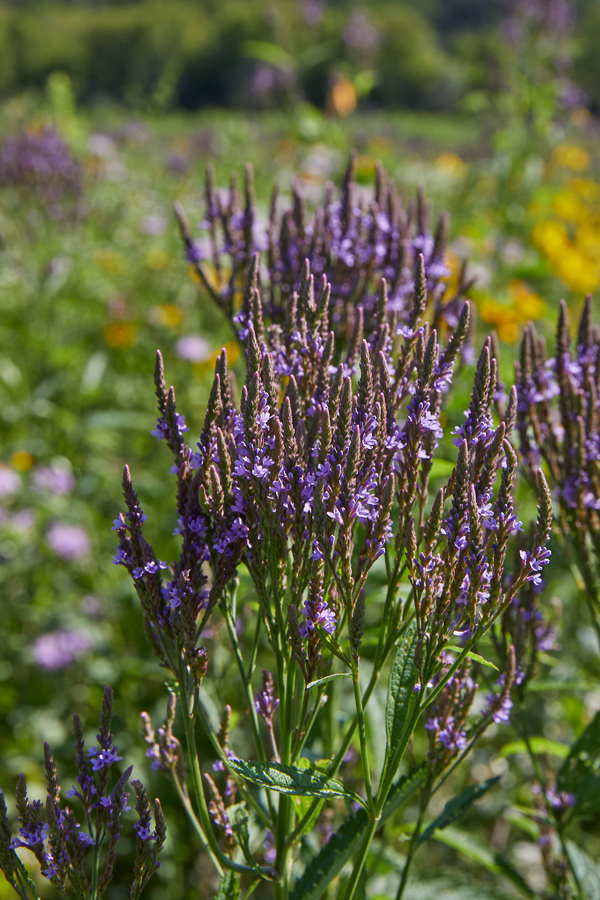
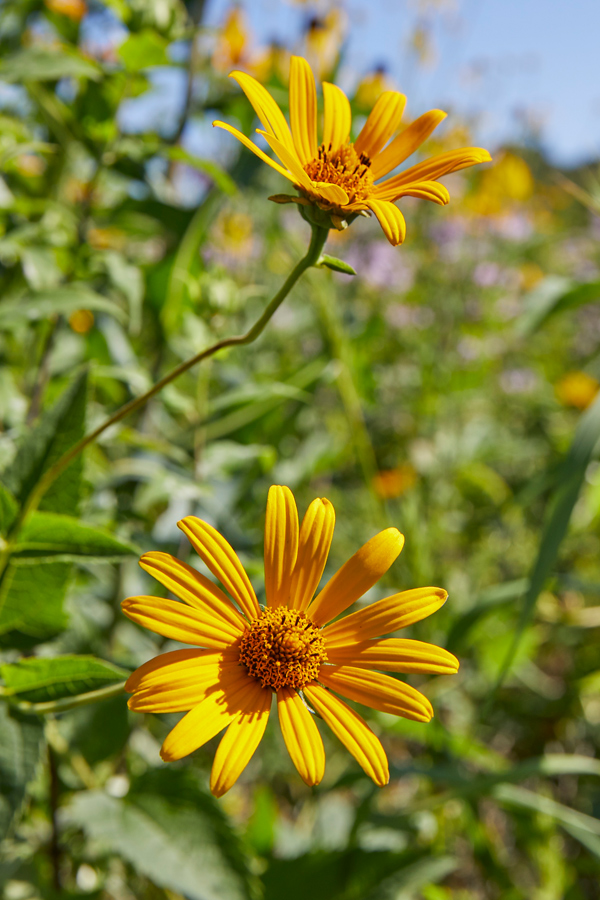
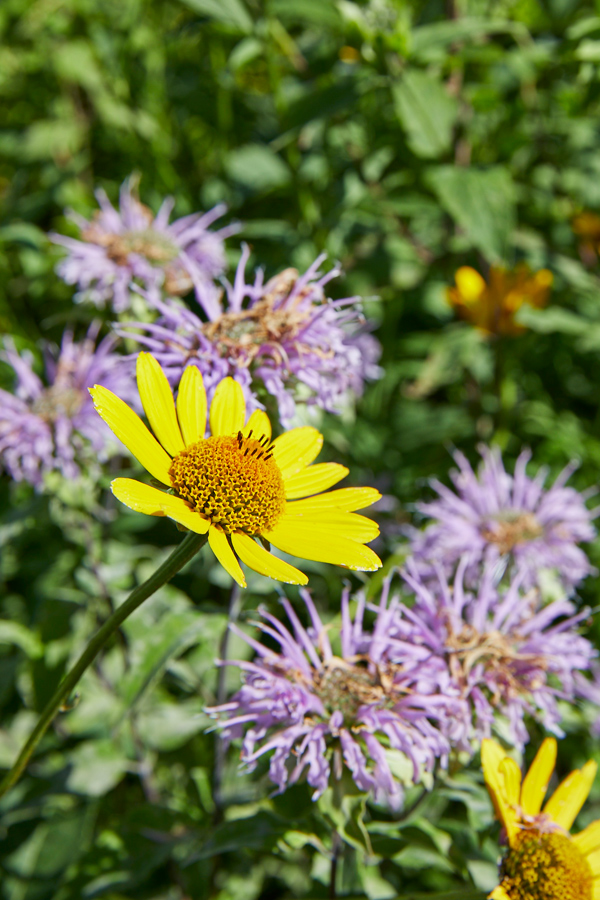
- Seeded and planted native wetland, prairie and savanna vegetation, as well as cover crops to protect growing areas.
- Removed non-native and invasive vegetation, shrubs and trees to create an ecologically self-sustaining environment, and mowed buffer areas to limit advancement of invasive vegetation from adjacent areas.
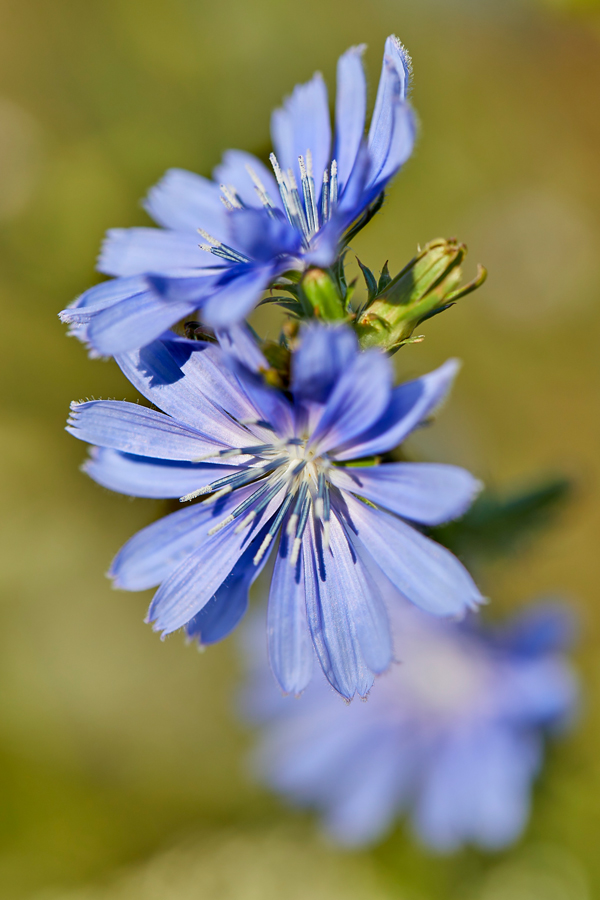
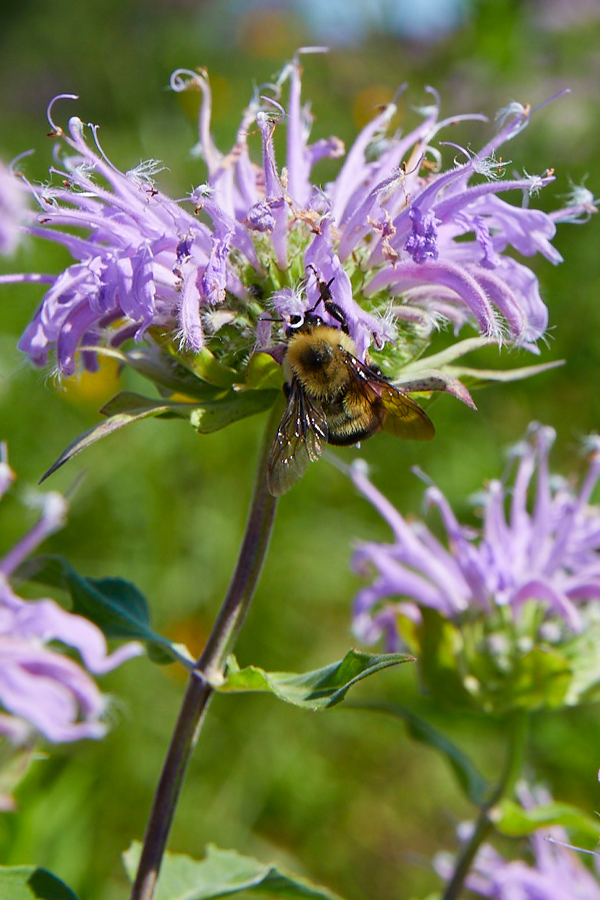
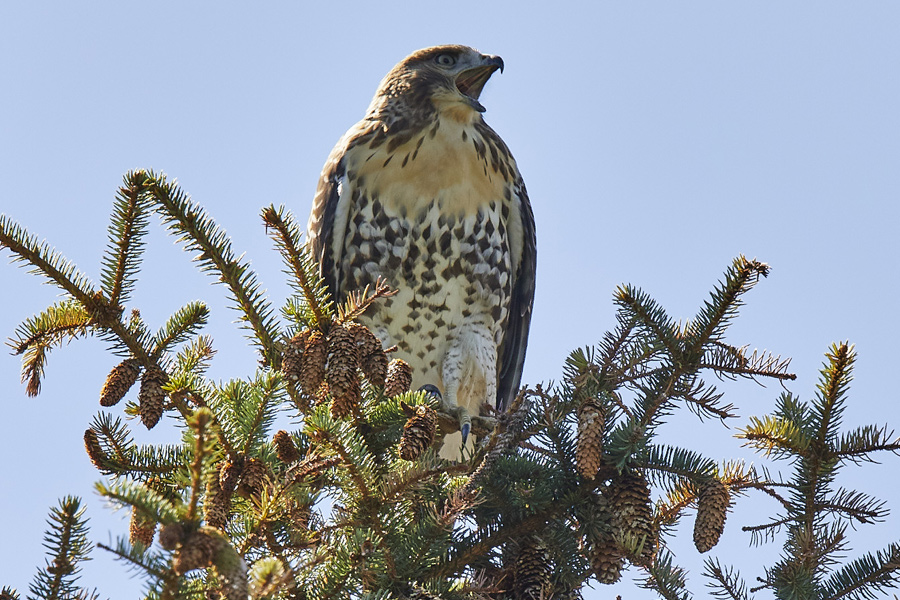
- Enhanced wildlife and pollinator habitat with trees and herbaceous plants that could sustain native fauna and are highly attractive to native pollinators, such as honeybees.
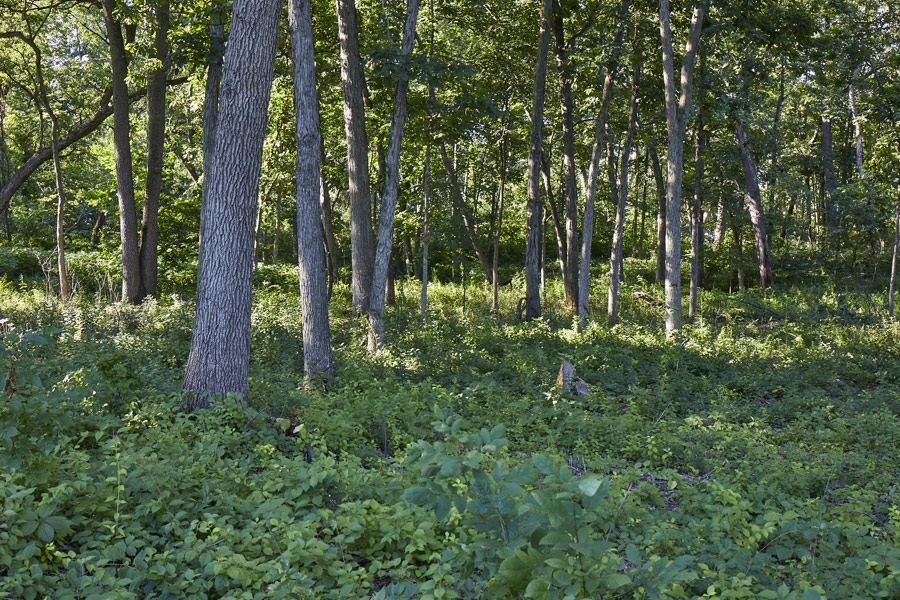
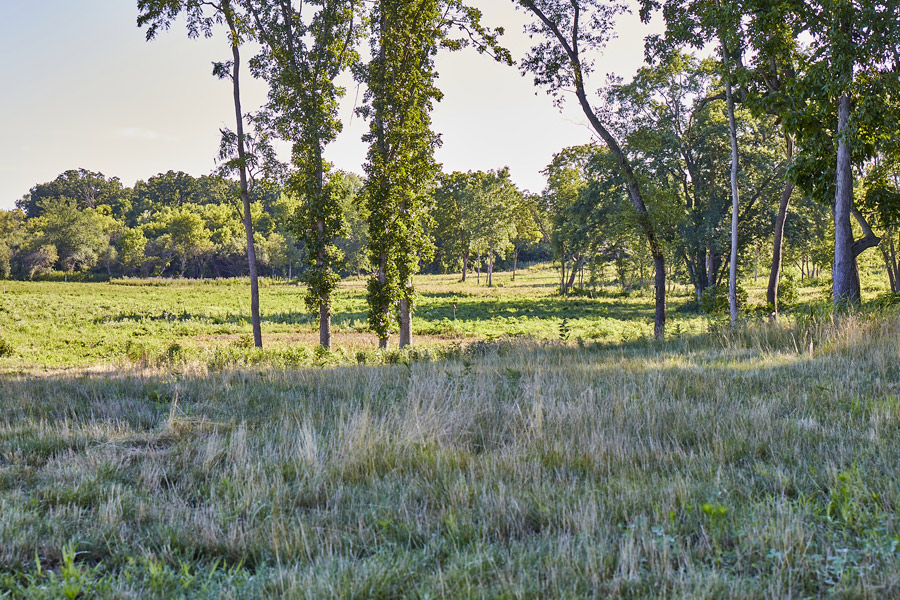
- Planted, watered and maintained an oak savanna and mesic prairie upland buffer, which seamlessly grew next to the site’s existing forested wetlands and an oak-hickory forest just east of the property.
- Installed erosion-control measures to ensure new and existing vegetation and land features continued to thrive over time.
- Conducted ongoing maintenance and monitoring, including mowing, herbicide applications and prescription burning.
THE RESULTS – IMPROVED ENVIRONMENTAL PURPOSE
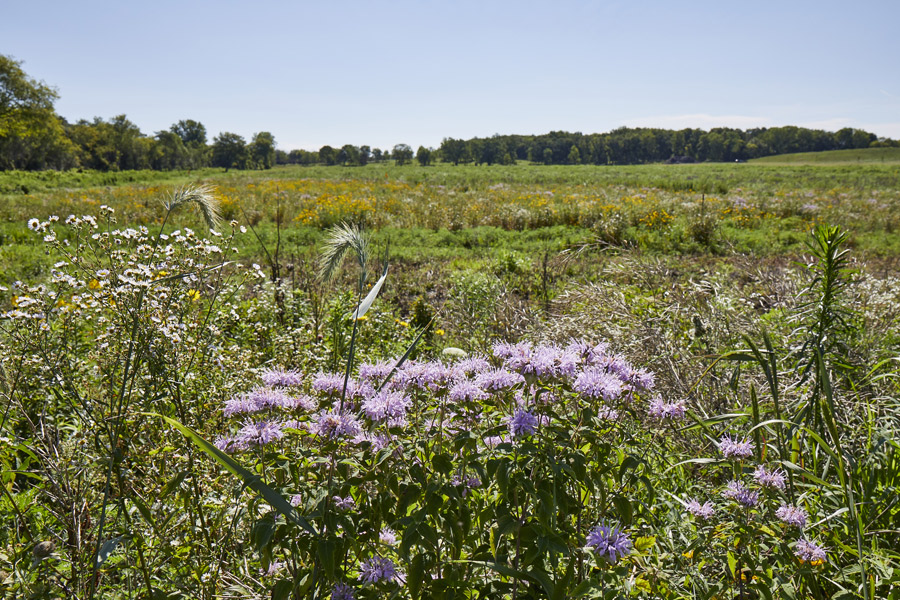
The mitigation bank successfully restored and enhanced the functions of sedge meadow, wet prairie, and shrub-carr wetland habitats that already existed on the site. It also created an oak savanna and mesic prairie upland buffer, which further enhanced the area’s natural appeal.
Benefits of the wetland mitigation site
- Public access to nature
- Improved water quality
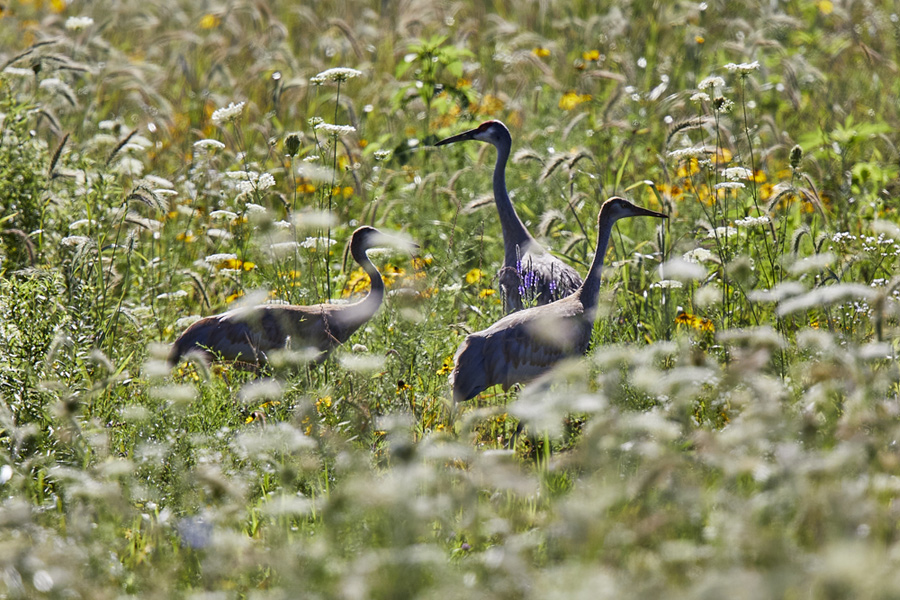
- Enhanced wildlife habitat
- Less stormwater runoff and drainage issues
- Less runoff from adjacent properties
- Reduced sediment, fertilizers and pesticides in local waterways
- Improved floral diversity
- Erosion control
- Positive impact to 400 acres of local natural resources
Project Details
DATE
July 2020
LOCATION
Burlington, WI
PROJECT TYPE
Mitigation Banks
SERVICES PROVIDED
Wetland restoration and enhancement, mitigation credit generation, restoration of upland and vegetated buffers, continued environmental management.
Project Gallery