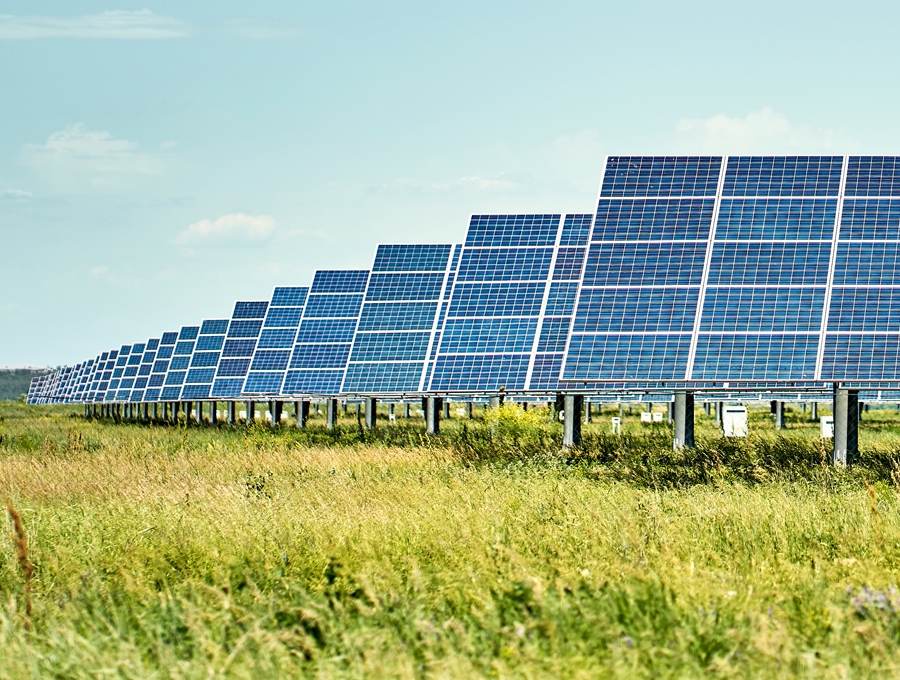
Solar Vegetation Management: Protecting Solar Performance, Safety, and the Landscape
As more solar installations are built across commercial, industrial, agricultural, and utility-scale sites, a new kind of landscape management has become increasingly important: Solar Vegetation Management. While solar arrays are designed to capture sunlight efficiently, the land around and beneath them still needs regular care. Grass, weeds, brush, and unmanaged growth can quickly create problems that affect not only appearance, but also safety, drainage, equipment access, and long-term system performance.
For solar site owners and operators, vegetation management is not just a maintenance task. It is an essential part of protecting the investment.
Why Vegetation Management Matters at Solar Sites
Solar fields are unique. Unlike a traditional commercial property where mowing or pruning is mostly about curb appeal, solar installations have a very specific purpose: maximize energy production while keeping the site safe, stable, and accessible. That means vegetation must be managed with both the landscape and the equipment in mind.
When vegetation is left unchecked, it can grow tall enough to shade panels, interfere with inspection and maintenance access, attract pests, and create fire hazards in dry conditions. In some cases, unmanaged growth can also contribute to erosion, block drainage paths, or make it harder for crews to safely navigate the site.
Proper solar vegetation management helps ensure the site stays functional, compliant, and visually well maintained.
The Connection Between Vegetation and Solar Performance
Solar panels depend on sunlight, and even partial shading can reduce output. Tall grass, invasive weeds, shrubs, and volunteer trees can all create shading issues over time. What may begin as a minor vegetation problem can become a measurable production concern if the site is not maintained consistently.
Vegetation management helps reduce shading risks by keeping growth at a controlled height and preventing woody plants from establishing near the arrays. It also supports easier monitoring of the site, since technicians and maintenance crews need clear visibility to identify issues, inspect equipment, and respond to potential concerns before they become larger problems.
In this way, vegetation management is directly tied to asset performance. A well-maintained solar site is not only cleaner-looking—it is more efficient and easier to manage.
Safety and Access Are Just as Important
Solar sites require ongoing inspection, service, and occasional repair. Crews need safe access to inverters, fencing, drainage areas, and array rows. If vegetation becomes too dense or too tall, it can create trip hazards, conceal wildlife, slow response times, and make routine maintenance more difficult.
In addition, excessive dry vegetation can increase fire risk in some settings. Keeping plant growth under control helps reduce combustible fuel loads and supports safer operations, especially during hot or dry periods.
Good vegetation management also improves site access for emergency response, utility service, and general maintenance. Clear, stable travel paths allow crews to work efficiently without damaging the site or risking injury.
Managing More Than Just Grass
Solar vegetation management is not just mowing. It often requires a thoughtful, site-specific approach that balances control with environmental responsibility.
A strong program may include:
- Routine mowing to maintain plant height
- Targeted weed control to stop invasive or aggressive species
- Brush clearing near panel edges, fence lines, and access paths
- Tree and woody growth management to prevent future shading
- Seasonal inspections to adjust for weather and site conditions
Every site is different. Soil type, slope, drainage patterns, surrounding land use, and local vegetation all influence how a site should be maintained. A property with sandy soils and fast-growing weeds may require a different approach than a site with heavier soils, native grasses, or steep embankments.
Erosion Control and Ground Stability
Solar sites often cover large open areas, which means soil protection is a major concern. Bare ground can wash away during heavy rain, while unmanaged vegetation can hide drainage issues or create uneven surface conditions.
The right vegetation management strategy helps maintain a stable ground cover that reduces erosion and supports stormwater control. In some cases, low-growing vegetation can actually be beneficial when managed correctly, because root systems help hold soil in place and reduce runoff.
This is where thoughtful maintenance connects closely with broader landscape expertise. Solar vegetation management is not simply about removing growth. It is about understanding what should remain, what should be controlled, and how the site can be managed in a way that protects both the solar infrastructure and the land beneath it.
Pollinator-Friendly and Native Vegetation Strategies
One of the most interesting developments in solar vegetation management is the growing use of pollinator-friendly plantings and native vegetation. Instead of relying only on mowed turf or bare ground, some sites are being planted or managed with low-growing native species that support bees, butterflies, and other beneficial pollinators.
This approach can offer several advantages:
- Improved biodiversity
- Better soil health
- Reduced mowing frequency in some areas
- Stronger alignment with environmental stewardship goals
- A more attractive and natural site appearance
Native vegetation can also be more resilient than turf in some conditions, especially when selected carefully for the local climate and soil profile. The key is balance. Vegetation should support the site without interfering with panel performance, drainage, or access. A well-managed pollinator-friendly solar site can serve both energy production and ecological benefit.
A Practical, Sustainable Approach
When done well, solar vegetation management supports multiple goals at once:
- Protect solar output
- Improve safety
- Preserve access
- Reduce fire risk
- Control erosion
- Support stormwater flow
- Enhance environmental value
That makes it a smart investment for solar site owners who want their assets to perform well over time. Maintenance is no longer just about appearance. It is about functionality, resilience, and long-term stewardship. These properties require an understanding of land, water, plants, access, and long-term upkeep—just in a specialized context.
Looking Ahead
As solar energy continues to expand, so does the need for responsible vegetation management around these installations. The best-maintained solar sites are not the ones with the least amount of growth. They are the ones where vegetation is managed with purpose, precision, and an understanding of how the entire site works together.
Solar vegetation management helps keep renewable energy sites safe, efficient, and visually organized while also supporting a healthier landscape beneath and around the panels. That balance of performance and stewardship is what makes the work so important.
If your organization manages a solar site, vegetation should be part of the conversation from the beginning—not as an afterthought, but as a core part of asset care. A professional assessment can help identify the proper maintenance solution for your property.
For more on related services and site stewardship, contact us to schedule a consultation with our team or call us direct at 262-539-2124.

Recent Posts
Recent Works


Categories
Thank You For Your Interest
We appreciate your interest in The Reesman Company and look forward to working with you on your project.